Bike Bell Laws: Is It Legal and When Is It Required?

Is it legal to have a bell on your bike?
In most places, yes—having a bell on your bike is legal, and it’s often encouraged. Many cities and states treat a bell as standard safety equipment because it helps you alert pedestrians and other riders without having to shout or startle anyone. In some areas, a bell (or another audible warning device) may even be required on certain paths or for certain types of bicycles, especially where bikes mix closely with foot traffic.
What matters is less “Can you have a bell?” and more “Does your bike meet local equipment rules?” Regulations vary by state, city, park system, and trail authority. Some rules specify that a bike must have an audible signal that can be heard from a reasonable distance; others explicitly mention a bell. A bell is a straightforward way to satisfy these expectations while keeping your hands on the bars.
How to stay compliant and courteous
Know what laws typically focus on
Most equipment codes focus on safety outcomes: an audible warning, working brakes, and required lighting/reflectors at night. A bell generally fits neatly into the “audible warning” category, while sirens or overly loud devices may be restricted in certain jurisdictions.
Use the bell the right way
Ring early—before you’re directly behind someone—so they have time to react. Use a light, friendly chime on shared paths, and avoid rapid ringing right next to pedestrians. Our team recommends pairing a bell with clear passing etiquette: slow down, give space, and pass only when it’s safe.
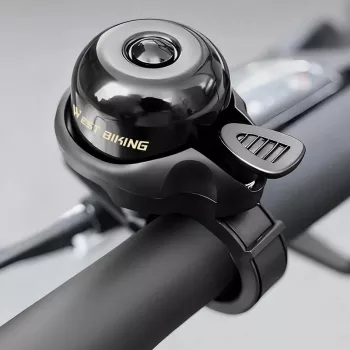
Choose a bell that fits your handlebar securely
A loose bell can rotate into your grip area or interfere with cables. Look for a bell that matches your handlebar diameter and clamps firmly, so you can ring it quickly without shifting your hand position.
If you’re shopping for a compact option with a crisp tone, you can review our guide here: https://nomapynstyltydesta.shop/guide-mini-copper-bike-bell-clear-chime-0-75-1-25-handlebars/.
FAQ
Do I need a bike bell for riding on shared-use trails?
Some trail systems require an audible warning device, and a bell is a simple way to meet that rule. Even when it’s not required, a bell helps you pass more smoothly and reduces surprises for pedestrians.















Leave a comment