Men’s 1.5″ Italian Leather Belt: Needle Buckle Guide
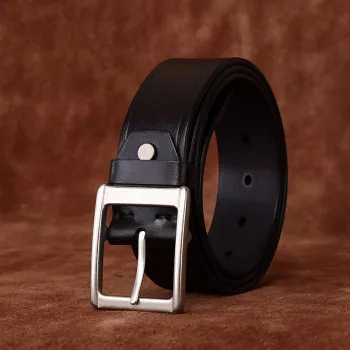
Men’s 1.5 Inch Italian Leather Belt with Needle Buckle: Fit, Finish, and Everyday Wear
A well-built leather belt does more than hold up trousers—it completes an outfit and stands up to daily use. A 1.5 inch Italian leather belt with a needle buckle hits a practical middle ground: substantial enough for denim, refined enough for chinos, and streamlined enough to look intentional day after day. Below is a clear guide to what this width does best, what “Italian leather” typically signals, how a needle buckle should function, and how to size, style, and care for your belt so it ages with character instead of wearing out early. For more guidance, see What I Wish I Had Known About Gaslighting Before It ….
What a 1.5 Inch Belt Does Best
The 1.5 inch width is often considered the everyday standard for men because it’s versatile without feeling bulky. It’s wide enough to balance heavier fabrics (like jeans and cords), yet clean enough for many business-casual outfits where a super-wide work belt would look out of place. For further reading, see Men’s Black Leather Belt Battistoni Roma Italy Classic ….
- Sits in the sweet spot between casual and dress: wide enough for jeans, clean enough for chinos and many business-casual looks.
- Fits most standard men’s belt loops; avoids the overly wide look of 1.75 inch work belts.
- Pairs naturally with needle buckles for a classic, adjustable, low-profile closure.
- Works across seasons: minimal hardware and leather texture keep it versatile.
Italian Leather: What It Signals in Look and Feel
Italian leather is typically associated with a refined finish—smooth grain, consistent dyeing, and a comfortable feel that improves with wear. Over time, quality leather should soften and contour subtly to your body, while the surface develops a natural patina rather than turning blotchy or brittle.
- Smooth grain and consistent color usually create a polished look for office and weekend wear.
- Leather tends to soften and contour to the body over time, improving comfort with repeated wear.
- Surface develops character (subtle creasing and patina) rather than looking “tired” when cared for.
- Best results come from rotating wear and keeping leather away from prolonged moisture and heat.
Leather belt qualities to notice when it arrives
| Check | What to look for | Why it matters |
|---|---|---|
| Edges | Even finishing, no sharp burrs | Comfort and long-term durability |
| Stitching | Straight lines, consistent spacing (if stitched) | Helps prevent separation over time |
| Buckle hardware | Solid feel, smooth tongue movement | Easier daily fastening and less wear |
| Holes | Cleanly punched and aligned | Reduces stretching and tearing around holes |
| Leather surface | Uniform texture with natural variation | Signals authenticity and better aging potential |
Needle Buckle Basics: How It Works and Why It’s Popular
A needle buckle (also called a tang buckle) uses a metal tongue that slips through one of the belt holes. It’s popular because it’s simple, reliable, and familiar—no special mechanism to learn, and adjustments are quick whether you’re standing or seated.
- Needle buckle uses a metal tongue that inserts into belt holes for secure, familiar adjustment.
- Simple mechanism is reliable for everyday use and easy to tighten or loosen while seated.
- Classic silhouette pairs well with traditional footwear such as oxfords, derbies, loafers, and boots.
- Choose a buckle finish (silver-tone, gunmetal, or brass-tone) that complements watches and shoe hardware.
Sizing and Fit: Getting the Right Length
Fit is what separates a belt that looks sharp from one that looks awkward. A properly sized belt should fasten comfortably near the center hole so you have room to tighten or loosen depending on the day, the fabric thickness, or minor weight fluctuations.
Quick fit checklist
| Fit point | Good sign | If not |
|---|---|---|
| Buckle position | Closes near center hole | Size up/down depending on which holes are used |
| Belt tail length | Reaches 1st belt loop after buckle | Too long looks bulky; too short limits adjustment |
| Comfort | Sits flat without pinching | Loosen one hole or adjust sizing |
| Loop compatibility | Slides through loops easily | 1.5 inch should fit most; avoid forcing through tight loops |
Styling Ideas: Jeans to Business Casual
Care and Maintenance for a Better Patina
Leather rewards light, consistent care. The goal is to keep the surface clean and flexible without saturating it with product. If you want deeper care guidance, reputable leather-care resources like Leather Honey’s leather care guides and product makers such as Saphir are helpful references for cleaning and conditioning basics.
Product Snapshot: Men’s 1.5 Inch Italian Leather Belt with Needle Buckle
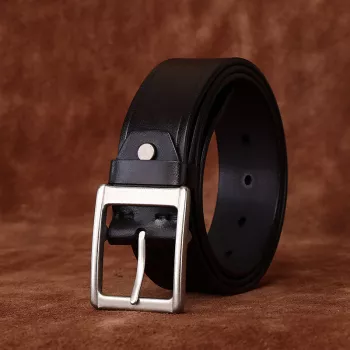
If you’re looking for one belt that can cover casual through smart-casual wear, the Men’s 1.5 Inch Italian Leather Belt with Needle Buckle focuses on the essentials: a versatile 1.5 inch width, Italian leather look and feel, and a classic needle buckle for secure adjustment.
Also in stock
If you’re building a more complete wardrobe for colder weather, a structured outer layer pairs especially well with clean leather accessories. Consider the Double Breasted Wool Coat for Women for a tailored, classic look.
FAQ
Is a 1.5 inch belt considered dressy or casual?
A 1.5 inch belt is versatile and usually leans casual, but it can work for business-casual when the leather looks refined and the buckle is minimal. For traditional formalwear, slimmer belts are typically considered more “dress.”
How should a needle buckle belt fit when fastened?
It should fasten on or near the middle hole, sit flat without twisting, and leave a tail that reaches the first belt loop after the buckle. This fit gives you comfortable adjustability if you switch between thicker and thinner pants.
How often should a leather belt be conditioned?
Condition only when the leather feels dry—often a few times per year depending on climate and how frequently it’s worn. Use a small amount and spot test first, since over-conditioning can make leather overly soft and reduce structure.











Leave a comment