Best 100% Cotton Sock Brands: What to Check

What are the best brands of 100% cotton socks?
The best choice depends on whether you value an easy-to-find multipack, organic cotton, or a particular style. Hanes, Fruit of the Loom, and Gildan are familiar places to start for everyday basics. Pact and Maggie’s Organics are worth exploring if organic cotton is a priority. However, a brand name alone does not guarantee that a sock is 100% cotton: fiber content can vary between styles and even between parts of a sock.
Which brands are good for everyday cotton socks?
For a simple everyday option, compare multipacks from Hanes, Fruit of the Loom, and Gildan. Look at the fiber-content label for the specific pair before buying. Some styles combine cotton with polyester, nylon, or elastane, which can add stretch or help the sock hold its shape but means it is not 100% cotton.
What should you look for in an organic cotton sock?
Consider Pact or Maggie’s Organics, then confirm the materials listed for the exact style you want. “Organic cotton” describes how the cotton was grown; it does not necessarily mean every part of the sock is cotton. If an exact 100% fiber composition matters to you, read the full label rather than relying on the brand or a “cotton” product name.
Is 100% cotton always the best choice?
Not necessarily. Cotton feels soft and breathable, but socks made entirely from cotton may have less stretch and shape retention than cotton blends. If you want a close, secure fit or plan to wear socks for active use, a small amount of stretch fiber may be useful. If you prefer an all-cotton feel, prioritize comfort and a fit that stays in place without relying on much elasticity.
How can you compare cotton socks before choosing?
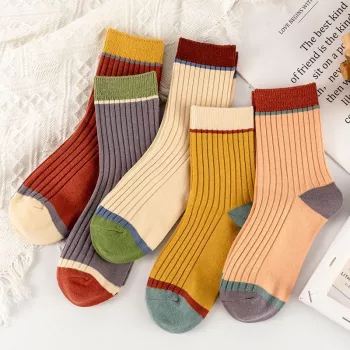
Check the fiber percentages, intended use, cuff style, thickness, and care instructions. Compare the same details across brands, since two socks labeled “cotton” can feel and perform differently. For a warm striped mid-tube option, see our guide to warm striped cotton mid-tube socks. Our team recommends choosing by the specific materials and construction you want, not by brand reputation alone.
FAQ
How should you wash cotton socks?
Follow the care instructions on the sock label. Washing similar colors together and avoiding excessive heat can help preserve the fabric and fit.













Leave a comment