Stay Warm: How to Choose the Best Winter Socks
What are the warmest socks to wear in winter?
The warmest winter socks usually combine insulating fibers with a comfortable fit inside your shoes or boots. Merino wool and wool blends are strong choices for cold conditions because they retain warmth while managing moisture. Thermal socks made with synthetic insulating fibers can also work well, especially for outdoor activities.
Are cotton socks warm enough for winter?
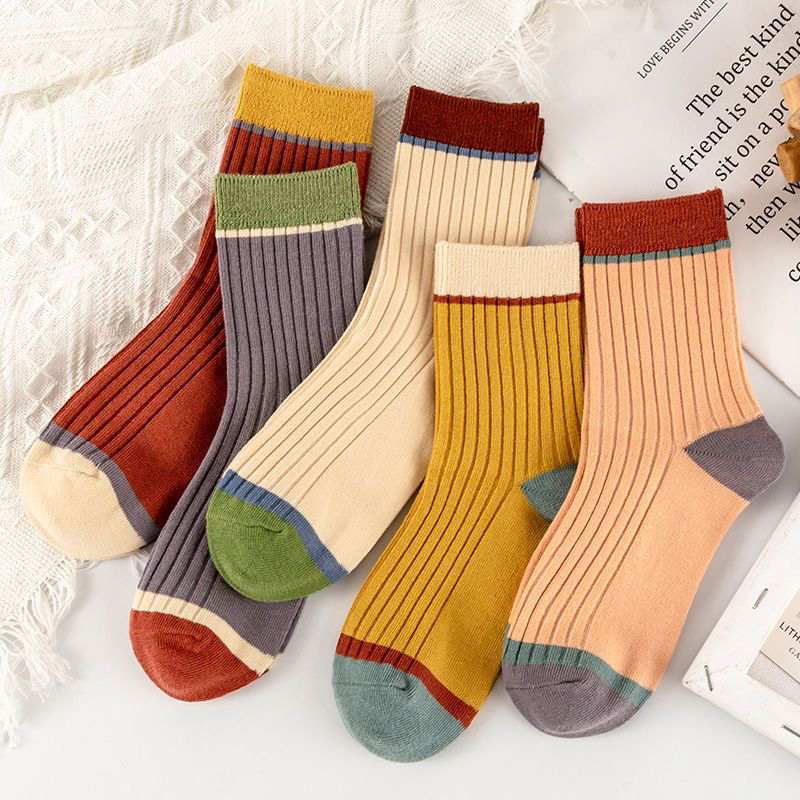
Cotton socks can be comfortable for everyday wear in cool, dry weather, but cotton absorbs moisture and may feel chilly if it gets damp. Our striped cotton mid-tube socks are a practical option for casual winter use and provide more coverage than low-cut socks. For wet weather, prolonged time outdoors, or very cold temperatures, choose wool or a moisture-managing thermal blend instead.
How should you choose a winter sock thickness?
Match thickness to both the temperature and your footwear. A thicker sock can add cushioning and warmth, but it should not make your boots feel tight; snug footwear can reduce comfort and leave less room for warmth. For daily wear, a midweight sock is often an easier fit than a bulky thermal pair.
When are mid-tube socks useful?
Mid-tube socks cover more of your lower leg than ankle socks, which can help when you want extra coverage with pants or boots. A five-pair set also gives you fresh pairs to rotate through the week. If you want an everyday cotton option, see our guide to the warm striped cotton mid-tube sock set.
How can you keep winter socks comfortable?
Choose socks that sit smoothly without bunching, and change out of damp pairs promptly. If your feet tend to get cold, start with dry socks and footwear that leaves enough room for your toes to move comfortably. For snow, rain, or strenuous outdoor use, prioritize moisture management over cotton softness.
FAQ
How should you layer socks with winter boots?
Usually, one warm, well-fitting pair is more comfortable than stacking several pairs. If you layer, make sure your boots still have enough room for your toes and that the socks do not bunch or create pressure.















Leave a comment