Electric Bone Cutting Machine Guide: Size, Safety, Cleaning
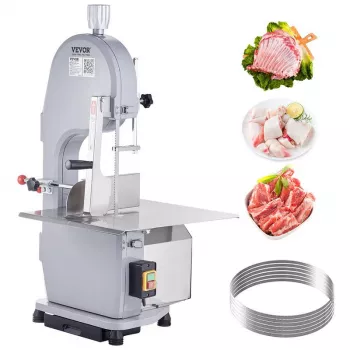
Electric Bone Cutting Machine for Meat Processing, Butcher Shops, and Home Use
An electric bone cutting machine helps portion ribs, poultry, and larger cuts with consistent thickness and less strain than manual chopping. The best setup depends on what is being cut, how often it’s used, and how easily the machine can be cleaned and maintained in a food-safe workspace. Whether the goal is cleaner retail portions, faster prep for service, or more manageable home processing days, a purpose-built electric unit can improve repeatability while reducing fatigue.
What an Electric Bone Cutting Machine Does (and When It Helps Most)
Electric bone cutting machines are designed to cut through bone-in meats such as ribs, pork shoulder sections, poultry frames, and fish with thicker spines. Instead of relying on impact from a cleaver, a powered blade makes controlled cuts that can reduce operator strain during repetitive portioning.
They’re especially helpful when portion consistency matters—for example, matching rib sections for retail display, standardizing chicken backs for stock production, or producing uniform cuts for meal prep and batch processing. A stable cutting path also helps minimize splintering compared with uncontrolled impact cuts, particularly when the product is positioned correctly and fed at an even pace.
The biggest payoff comes with frequent bone-in cutting tasks. If use is truly occasional, manual tools may still be practical—especially when counter space is tight or the time required for proper cleaning and sanitation would outweigh the convenience of a powered machine.
Key Parts That Affect Performance and Safety
Performance and safety come down to a few core components. Comparing machines becomes much easier when these parts are evaluated as a system rather than in isolation.
Motor and drive system
The motor and drive determine cutting speed under load and whether the unit can handle harder bones without stalling. A stronger, steadier drive typically improves cut control because the operator doesn’t feel compelled to force product through the blade.
Blade type and size
Blade size and design influence kerf (the width of material removed), cut smoothness, and the maximum thickness the machine can handle. Just as important: confirm that compatible replacement blades are readily available so the machine remains usable long-term.
Work surface and fence
A stable table and an adjustable fence (guide) are key for straight, repeatable portions. Clear markings and a fence that locks firmly help maintain consistent thickness from cut to cut.
Safety features and build materials
Prioritize a blade guard, an accessible emergency stop, and stable non-slip feet. For food-contact areas, corrosion-resistant materials that sanitize easily—commonly stainless steel—help support a cleaner workflow with fewer places for residue to collect.
Sizing Guide: Choosing Capacity for Poultry, Ribs, and Larger Bone-In Cuts
Capacity isn’t only about “bigger is better.” It’s about matching clearance, stability, and duty expectations to the products being processed.
- Cut height and throat depth: Match clearance to the largest items you expect to portion (thicker rib racks versus small poultry segments).
- Duty cycle: Higher-volume environments benefit from heavier-duty construction and better heat handling for longer run times.
- Footprint and placement: Leave room for infeed/outfeed space, a sanitized prep zone, and a safe operator stance.
- Noise and vibration: Heavier frames and better balance generally reduce vibration and improve control, which can translate into straighter cuts.
| Use case | What to prioritize | Nice-to-have features |
|---|---|---|
| Home processing (occasional) | Compact footprint, straightforward cleaning, basic guarding | Easy blade swap, quieter operation |
| Butcher shop (daily) | Durable motor, sturdy table/fence, reliable safety cutoff | Adjustable fence with clear markings, fast sanitation access |
| Small restaurant prep (regular) | Repeatable portioning, easy wipe-down, stable non-slip base | Quick-access covers, minimal crevices |
| High-volume processing (frequent/continuous) | Robust duty rating, strong drive, serviceable components | Spare blade availability, simplified maintenance points |
Cleaning and Food-Safety Basics
To support food safety and reduce cross-contamination risks, keep raw zones separated, sanitize tools and contact surfaces between proteins when required, and maintain clean gloves/aprons. For reference points on safe handling and sanitation expectations, consult authoritative guidance such as USDA FSIS food safety resources and the FDA Food Code (as adopted and applied locally).
Operation Tips for Straighter Cuts and Less Bone Dust
Machine guarding matters, too—especially around moving blades and pinch points. For general requirements and best practices, review OSHA’s machine guarding guidance.
Maintenance and Blade Replacement Planning
Electric Bone Cutting Machine Option Available Now
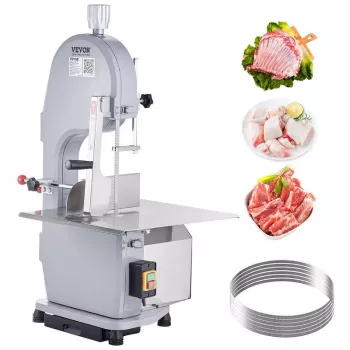
For shoppers who want a dedicated electric setup for bone-in portioning tasks, an Electric Bone Cutting Machine is available and ready to ship. Before ordering, confirm workspace requirements such as power access, counter or table stability, and adequate infeed/outfeed room for safe handling.
It can also help to plan for the “support gear” around the cutting station. For example, a separate area for packaging, labeling, or paperwork keeps non-food tasks away from raw prep. If you want a dedicated adjustable workstation for those dry tasks, consider an Electric Adjustable Height Standing Desk with Dual Drawers and Mobile Casters positioned outside the raw zone.
FAQ
Can an electric bone cutting machine cut frozen meat and bone?
Some machines can handle partially frozen product, but results depend on blade type, motor capacity, and the manufacturer’s guidance. Cutting fully frozen bone can increase splintering, stress the drive system, and dull blades faster.
How often should the blade be replaced?
Replacement timing varies based on volume and what’s being cut. Signs the blade is due include slower cutting, more wandering, increased bone dust, and excess heat; tracking usage and keeping a spare blade helps prevent downtime.
What safety steps matter most during operation?
Use the guard and fence, keep hands clear of the blade path, and avoid forcing product through the cut. Wear appropriate PPE, keep the area dry and uncluttered, and make sure the emergency stop is easy to reach.















Leave a comment