Electric Standing Desk With Drawers & Locking Casters
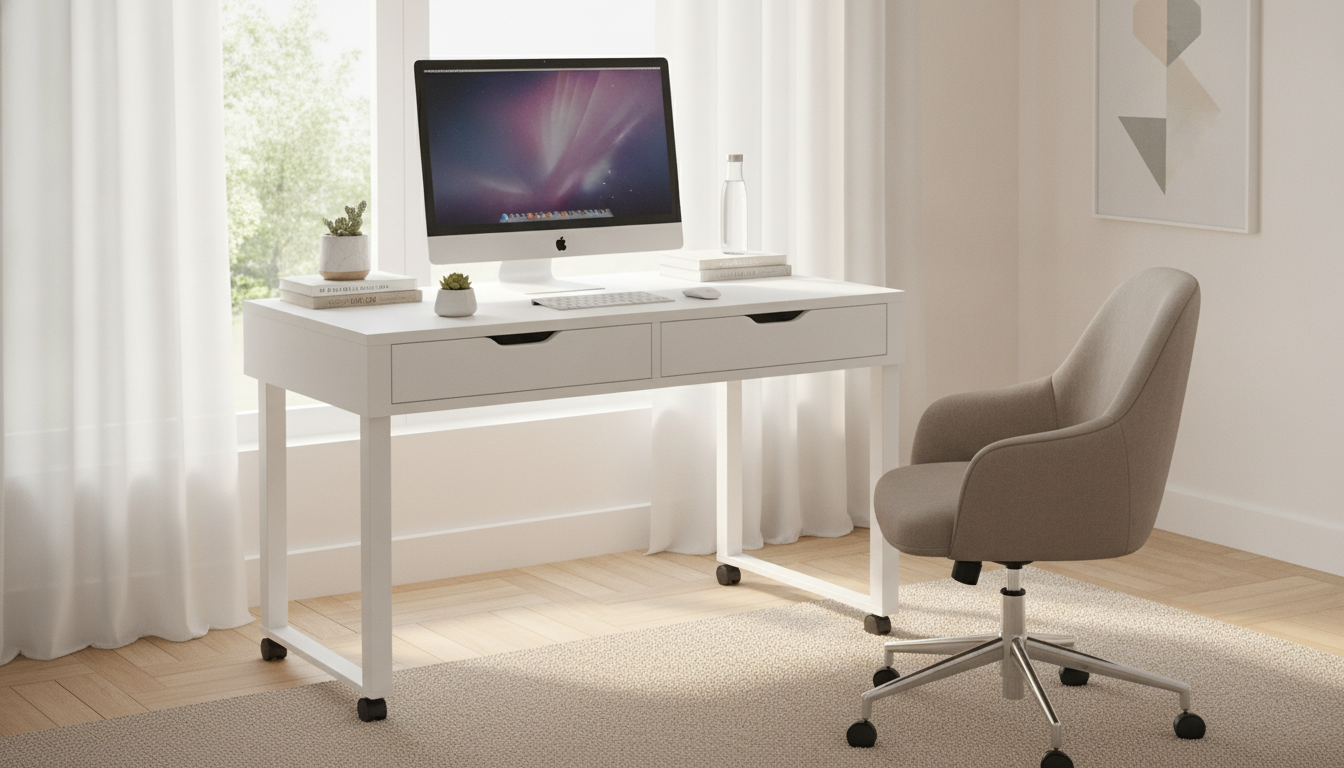
Electric Adjustable Height Standing Desk with Dual Drawers and Mobile Casters: A Practical Workstation for Flexible Spaces
An electric sit-stand desk can turn a fixed workspace into a flexible one—especially helpful for long computer sessions, shared rooms, and offices that need to reconfigure quickly. The most livable versions add everyday convenience with built-in dual drawers for small essentials and rolling casters that let you reposition the setup without heavy lifting. Below is a practical guide to choosing and using an electric adjustable desk with drawers and wheels, plus simple ways to set it up for comfort and smoother daily workflows.
At a Glance: What This Desk Is Built to Do
- Electric height adjustment to switch between seated and standing work without manual cranks.
- Dual drawers to keep small essentials (chargers, pens, notebooks) off the desktop.
- Mobile casters to reposition the workstation for cleaning, shared use, or changing room layouts.
- Designed for home offices, apartments, study nooks, and multi-purpose rooms where space changes often.
- A good fit for users who want storage and mobility without adding separate drawer units.
Core Features That Matter Day to Day
Electric lift system
For daily use, smooth travel and consistent movement matter more than flashy extras. Look for controls that are easy to reach in both seated and standing positions, so height changes feel effortless instead of becoming “something to do later.”
Height range
The desk should drop low enough for relaxed seated typing and rise high enough for standing without shoulder shrugging. A usable range helps if multiple people share the same workstation—one person shouldn’t have to compromise posture because the desk won’t go low or high enough.
Dual drawers
Built-in drawers are a small feature that changes how the desktop feels. With a place to stash chargers, sticky notes, and adapters, the working surface stays open for typing and mousing at a comfortable distance. Before buying, consider whether the drawer clearance fits bulkier items like a portable drive, mouse, or compact keyboard.
Caster design (and locks)
Wheels should roll smoothly on hard floors and low-pile rugs, but the bigger “must-have” is locking casters. Locks help prevent drift while typing or when leaning forward during focused tasks.
Fit, Placement, and Room Planning
- Measure the footprint: Leave room behind the desk for outlet access and cable bends so cords don’t get pinched as the desk moves.
- Check doorway clearance: If the desk will roll between rooms, confirm it can pass through doorways and hallway turns without tilting.
- Plan power access: A nearby outlet reduces cable strain; an under-desk, surge-protected power strip can keep cords managed while rolling.
- Match casters to flooring: On hardwood/tile, consider softer wheel surfaces or a chair mat to limit scuffs; on carpet, verify it can move without excessive force.
- Reduce glare: Position screens perpendicular to windows when possible for fewer reflections and less squinting.
Ergonomics: Dialing In a Comfortable Sitting and Standing Setup
Ergonomics doesn’t have to be complicated. The goal is to keep joints in neutral, low-strain positions and avoid staying frozen in one posture for hours. For additional guidance, OSHA’s workstation resources can be helpful for basic desk-and-monitor alignment principles (OSHA Computer Workstations eTool), and NIOSH offers broader ergonomics background (NIOSH Ergonomics and Musculoskeletal Disorders).
- Seated baseline: Elbows near 90 degrees, shoulders relaxed, wrists neutral while typing.
- Standing baseline: Keep the same elbow/wrist relationship as seated; avoid shrugging to reach the keyboard.
- Screen height: Top of the display roughly at or slightly below eye level; adjust with an arm or stable riser if needed.
- Foot comfort: Supportive shoes or an anti-fatigue mat can improve standing comfort during longer sessions.
- Work-rest rhythm: Alternate positions and take brief movement breaks so muscles don’t fatigue from staying static.
Quick Height-Setup Checks (Practical Rules of Thumb)
| Item | Target Check | Simple Adjustment |
|---|---|---|
| Keyboard height | Forearms roughly parallel to the floor; wrists straight | Raise/lower desk until elbows feel light and shoulders drop |
| Monitor position | Top of screen near eye level; no neck craning | Raise monitor or use an arm; keep screen at arm’s length |
| Standing comfort | Weight balanced; knees not locked | Use a mat; shift stance; consider a small footrest |
| Mouse reach | Mouse close enough to avoid reaching forward | Bring mouse beside keyboard; reduce desk clutter |
Storage and Cable Control with Dual Drawers
Dual drawers work best when they support the way you actually reach for things. A simple system keeps the desktop clear without turning the drawers into overstuffed catch-alls.
Mobility and Stability: Using Casters Without Compromises
Setup, Maintenance, and Safety Basics
Who This Desk Tends to Suit Best
In-Stock Picks to Compare
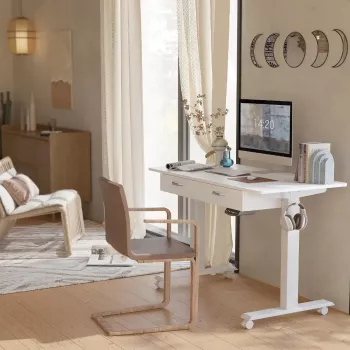
- Electric Adjustable Height Standing Desk with Dual Drawers and Mobile Casters ($518.32)
- 71″ Dining Table Set for 8, Gold Kitchen Table with 8 PU Leather Chairs ($1470.49)
- Armani Exchange Men’s Black Leather Sneakers ($112.51)
Product Page: Specs, Photos, and Current Availability
FAQ
Do rolling casters make a standing desk feel less stable?
They can if the frame is lightweight, the load is off-center, or the wheels aren’t locked. Using locking casters during work sessions and keeping heavier items centered helps the desk feel steadier.
How should the desk height be set for comfortable typing while standing?
Adjust the desk until your elbows are around 90 degrees with relaxed shoulders and neutral wrists, then set the monitor so you aren’t tilting your head up or down. If your feet fatigue, add an anti-fatigue mat and shift your stance periodically.
What should go in the dual drawers to keep the desktop clear?
Organize by frequency: one drawer for daily-use items like pens, sticky notes, and charging cables, and the other for occasional gear like spare adapters or an external drive. Avoid overpacking if it reduces knee clearance or makes cable routing messy.













Leave a comment