Guess Women’s Black Slip-On Boots: Fit, Style & Care
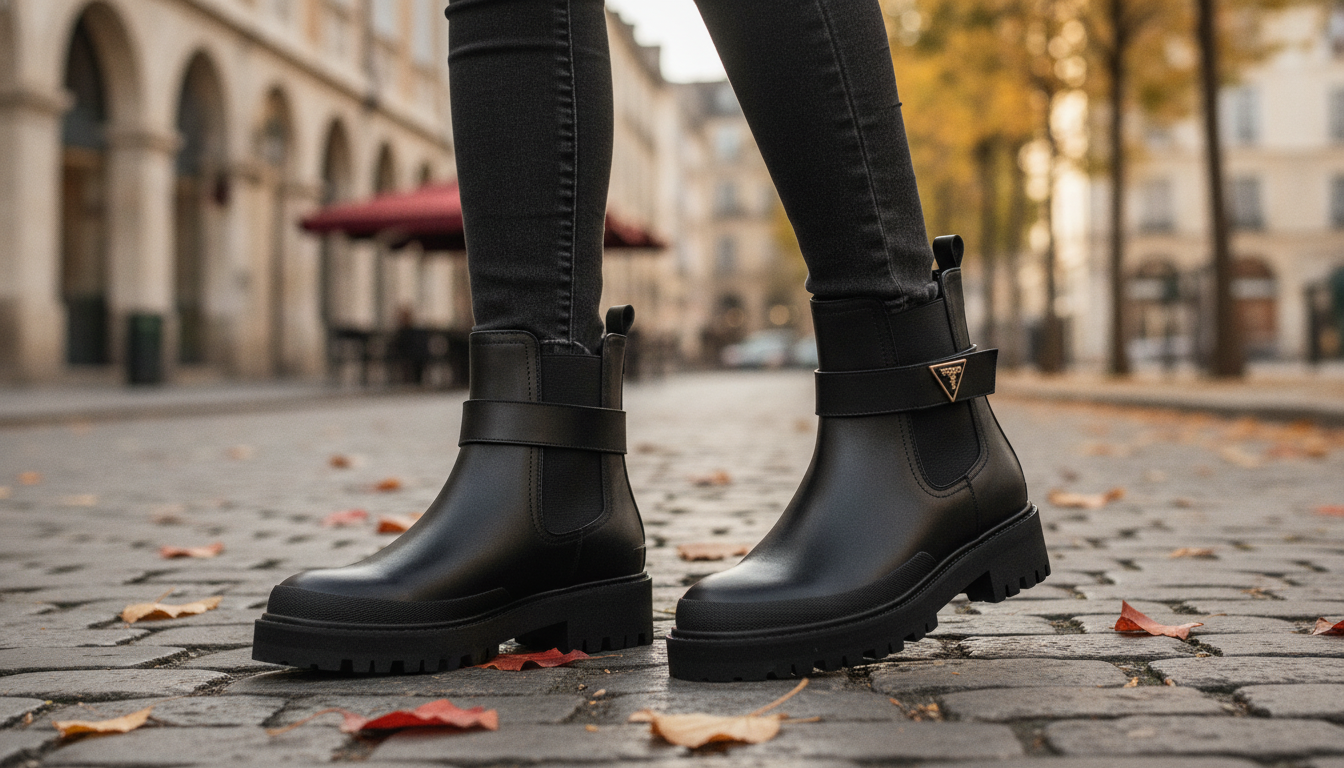
Guess Women’s Black Slip-On Boots: Everyday Polish with Easy Comfort
Slip-on boots make getting dressed faster without sacrificing a pulled-together look. Guess Women’s Black Slip-On Boots are the kind of pair that can live by the door: easy to step into, clean enough for smart-casual settings, and versatile with the outfits that show up most often in real life. Below is what to expect from a black slip-on silhouette, how to wear it across seasons, what to check for fit and comfort, and how to keep black boots looking sharp over time. For more guidance, see Guess Boots.
What makes slip-on boots a dependable wardrobe staple
Slip-on boots earn their keep because they remove friction from the daily routine. No laces to tie, no zippers to fuss with—just a streamlined boot that works with a wide range of outfits. For further reading, see Women’s Guess Boots.
- Quick on/off design that suits busy mornings, commuting, and travel days when you’re moving through airports or hotels.
- Clean silhouette that pairs easily with denim, office-ready trousers, and dresses without looking overly sporty.
- Black colorway versatility that works with neutrals (camel, cream, gray) and also anchors bolder shades like burgundy, forest green, or cobalt.
- Less hardware for anyone who prefers fewer zippers, buckles, and visible details.
If you want a simple “default boot” that still looks intentional, a black slip-on is one of the most reliable choices.
Guess Women’s Black Slip-On Boots at a glance
Guess Women’s Black Slip-On Boots lean into a brand-forward feel while keeping the finish minimal and versatile. The slip-on entry is designed for convenience and a streamlined profile, making these best suited for everyday wear—commuting, errands, casual evenings, and smart-casual outfits where sneakers feel too casual and heels feel too formal.
Quick comparison: what to evaluate before buying
| Feature | Why it matters | What to look for |
|---|---|---|
| Fit at the instep | Determines ease of slipping on and staying secure | Snug but not tight; foot shouldn’t lift at the heel while walking |
| Toe box space | Affects comfort during longer wear | Enough room to wiggle toes; no pressure on the sides |
| Shaft/ankle opening | Impacts styling and rubbing risk | Comfortable edge; smooth lining; socks compatible |
| Outsole grip | Helps on slick sidewalks and indoor floors | Textured tread; stable contact with the ground |
| Cushioning | Supports daily steps and standing time | Padded insole feel; supportive midfoot |
| Materials & finish | Affects durability and care routine | Uniform black finish; easy-to-clean surface |
Fit and comfort checkpoints
Comfort in slip-on boots is mostly about small details: instep tension, heel security, and how the boot feels after an hour—not just the first 30 seconds.
- Try-on timing: Feet can swell slightly later in the day; testing then can prevent buying a too-tight fit.
- Heel security: Walk on a hard floor. The heel should feel stable without popping out or excessive slip.
- Instep pressure: Slip-ons can feel snug over the top of the foot—aim for secure, not restrictive.
- Sock strategy: Decide whether you’ll wear thin dress socks, thicker winter socks, or tights; that choice can change sizing comfort.
- Break-in expectations: Do short indoor wear sessions to identify rub points before committing outdoors.
General foot-health guidance can be helpful when evaluating everyday shoes. The American Podiatric Medical Association (APMA) footwear tips and Cleveland Clinic foot care basics both emphasize support, fit, and avoiding pressure points—especially if you’re on your feet often.
Outfit ideas: how to wear black slip-on boots
Black slip-on boots are at their best when the rest of the outfit stays clean and intentional. Think simple lines, tidy hems, and one “structure” piece (a coat, blazer, or bag) to elevate the look.
- Casual: Straight-leg jeans + crewneck knit + long coat; cuff the hem to show the ankle line and keep the silhouette crisp.
- Smart-casual: Ankle-length trousers + blazer; keep the pant hem clean and slightly above the boot so the leg line doesn’t bunch.
- Dressier: Midi skirt + opaque tights; match tights to the boot for a lengthening effect that reads polished.
- Weekend: Leggings + oversized sweater; add a structured bag to avoid the outfit feeling too lounge-heavy.
- Color pairing: Black boots anchor camel, gray, cream, denim blues, and jewel tones.
For an easy cold-weather upgrade, pair these boots with a tailored outer layer like the Double Breasted Wool Coat for Women—a simple way to make everyday outfits look more finished.
Seasonal wear: getting more use year-round
Care and longevity for black boots
When these boots make sense—and when to consider another pair
FAQ
Are slip-on boots comfortable for all-day walking?
They can be, as long as the instep fit is secure (not tight), the insole has enough cushioning, and the outsole feels stable underfoot. If you notice fatigue during longer days, a supportive insert can improve comfort and reduce pressure.
How should black slip-on boots fit at the heel and ankle?
A small amount of movement can happen, but your heel shouldn’t pop out when you walk. The ankle opening should feel secure without rubbing, and sock thickness can make a noticeable difference in how the opening and instep feel.
How can black boots be kept from looking scuffed?
Wipe them down regularly to remove grit, then use a care product that matches the boot’s material to refresh the finish. Let damp boots air-dry away from heat, and use shape support (like shoe trees) to prevent heavy creasing that can make scuffs more noticeable.












Leave a comment