Morning & Evening Routines for Lasting Mental Wellness

Mental wellness is built through small, repeatable choices—especially at the start and end of the day. A simple routine can lower decision fatigue, create steadier moods, and make mindfulness and self-care easier to follow through on. Below is a practical structure for morning and evening rituals, including habit ideas, a weekly planning approach, and a printable-style framework to keep it consistent.
What “lasting” mental wellness routines actually look like
- Consistency beats intensity: 5–15 minute rituals done most days often outperform occasional long resets.
- Routines should be flexible: keep an “essential” version for hard days and an “expanded” version for good days.
- Focus on inputs, not outcomes: prioritize sleep, movement, nourishment, connection, and stress regulation instead of chasing a perfect mood.
- Make it visible: a routine works better when it is written, scheduled, and tracked in a low-friction way.
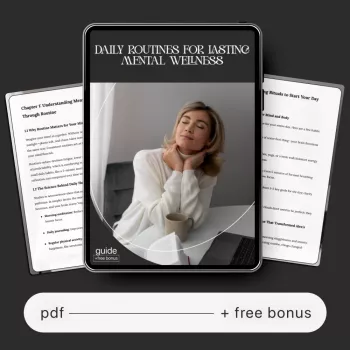
If you want a simple, structured template that turns these ideas into checkboxes and short prompts, the Daily Routines for Lasting Mental Wellness digital guide is designed for quick planning, tracking, and weekly reflection without overcomplicating your day.
A steady morning ritual (10–30 minutes) for calmer days
- Start with a gentle cue: open curtains, drink water, or step outside for 1–2 minutes of daylight.
- Quick nervous-system reset: try 4–6 slow breaths, a brief body scan, or a short stretch sequence.
- Mindful intention: choose one word for the day (steady, patient, focused) or write a 1-sentence intention.
- Plan with kindness: pick the top 1–3 priorities and identify one small self-care action that fits the day.
- If mornings are chaotic: use a “minimum morning” routine—water + 60 seconds of breathing + one priority written down.
Sample Morning Routine Menu (mix and match)
| Time | Ritual | Purpose | Easy version |
|---|---|---|---|
| 1–2 min | Daylight + water | Wakefulness, hydration | Stand at a window and take 5 sips |
| 2–5 min | Breathing (4–6 breaths/min) | Stress regulation | 3 deep breaths with a longer exhale |
| 3–10 min | Movement (walk, mobility, yoga) | Mood support, energy | 5 squats + shoulder rolls |
| 2–5 min | Journaling (1 prompt) | Clarity, emotional processing | Write 3 bullet points |
| 2–5 min | Plan the day (top 3) | Reduce overwhelm | Write the single next step |
A practical tip: make the first step so easy it feels almost silly. When the cue is automatic (water, window light), the rest of the routine has a place to “attach.” If you work at a desk, pairing your morning plan with a more comfortable setup can also reduce background stress—an electric adjustable standing desk for a more comfortable daily setup can help you alternate posture and build movement breaks into your day.
An evening ritual that improves sleep and reduces mental clutter
- Pick a consistent “close the day” time: even a 15-minute wind-down helps signal safety and rest.
- Digital off-ramp: set a device curfew (or use grayscale / Do Not Disturb) to reduce late-night stimulation.
- Brain dump: write worries, tasks, and reminders to move them out of working memory.
- Gentle reflection: note one win, one challenge, and one support needed tomorrow.
- Prepare the environment: dim lights, set clothes, tidy one small area, and choose a relaxing cue (tea, shower, book).
Sleep is a cornerstone input for mood and resilience. If you’re rebuilding your evenings, start with one boundary (a wind-down time or a device rule) and one cue (a dim lamp or a warm shower). For evidence-based sleep basics and common disruptors, the CDC’s overview of sleep and sleep disorders is a helpful reference.
Mindfulness habits that fit real life (without adding pressure)
Mindfulness doesn’t have to be another item to “do right.” A single returned breath is still practice. When stress is high, the goal is often regulation, not insight—small pauses can interrupt spirals and reduce reactivity. For a deeper look at how stress affects the mind and body (and why recovery matters), the American Psychological Association’s page on stress effects and management is worth bookmarking.
Self-care planning that doesn’t collapse on busy weeks
If a plan only works on ideal weeks, it isn’t a plan—it’s a wish. Essentials are the floor: when time gets tight, keep the floor. The National Institute of Mental Health also emphasizes practical basics like sleep, movement, connection, and getting help when needed; see NIMH’s guidance on caring for your mental health.
A printable-style routine framework (build, track, adjust)
Using a guided digital workbook to keep routines consistent
If you prefer having everything in one place—minimum/standard/support routines, daily checkboxes, and a weekly review—the Daily Routines for Lasting Mental Wellness digital guide can function like a simple “routine home base” so you’re not reinventing your plan every morning.
FAQ
How long does it take for a mental wellness routine to feel natural?
Many people notice small benefits within a few days (less friction, a calmer start), but it usually takes several weeks of repetition for a routine to feel automatic. Starting with a minimum routine and attaching it to an existing habit (like brushing your teeth or making coffee) makes it stick faster.
What if mornings are unpredictable and routines keep failing?
Use a 1–3 minute “minimum morning” that works even on chaotic days, and treat everything else as optional add-ons. Prep one small step the night before (water bottle ready, one priority written down) so the routine doesn’t depend on willpower.
Can a routine help with stress even if life circumstances don’t change?
Yes—routines can strengthen coping capacity by improving sleep, emotional regulation, and clarity even when stressors remain. If stress feels unmanageable or is affecting safety, work, or relationships, consider reaching out to a qualified professional for additional support.















Leave a comment