Sleep Reset: 7-Day Guided Audio Plan for Better Sleep
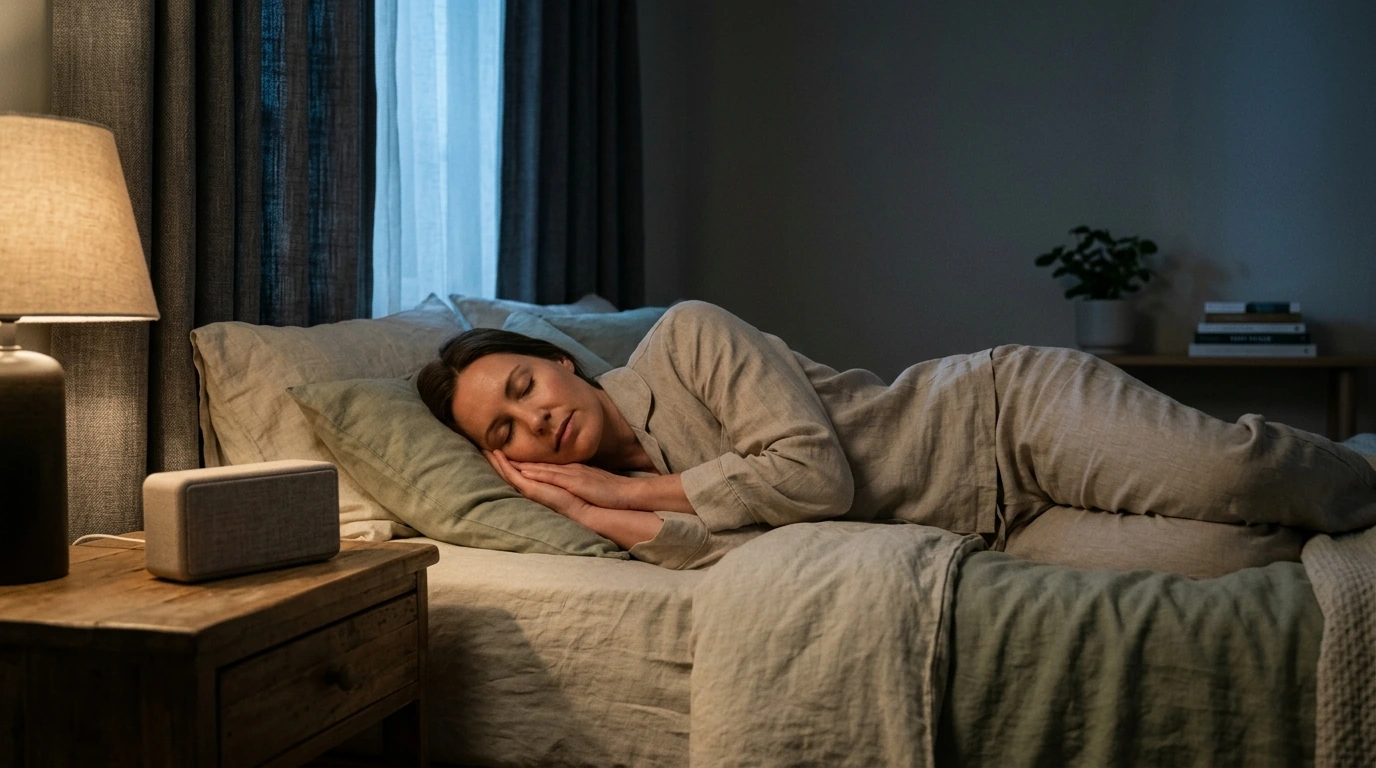
Sleep Reset: A 7-Day Guided Audio Routine for Calmer Nights
Restful sleep often improves when the nervous system gets consistent cues to downshift. A short, repeatable guided-audio routine can help reduce mental chatter, relax the body, and rebuild a steadier bedtime rhythm over a week—especially when paired with a few sleep-friendly habits like dim lighting, a cooler room, and a consistent schedule. A 7-day structure also reduces decision fatigue at night: press play, follow the same steps, and let the routine do the heavy lifting.
What this guided audio course is designed to do
- Support a smoother transition from alertness to sleep through structured relaxation and attention cues.
- Reduce bedtime rumination with a predictable sequence: settling the body, slowing the breath, softening thoughts, then drifting.
- Create a repeatable nightly ritual over 7 days so the brain starts associating the audio with sleep onset.
- Provide an option for people who prefer listening rather than reading or tracking metrics at night.
Over time, the goal is simple conditioning: the same voice, the same pacing, the same “permission” to let go. When the brain recognizes the pattern, it can become easier to shift out of problem-solving mode and into rest mode.
Who tends to benefit most
- Light sleepers who get stuck in “tired but wired” mode at bedtime.
- People who wake during the night and struggle to fall back asleep without checking the clock.
- Shift workers or travelers who need a consistent wind-down cue in unfamiliar environments.
- Anyone building a screen-free bedtime routine and looking for a simple, guided alternative.
How the 7-day rhythm can help reset bedtime momentum
- Day-by-day repetition builds familiarity, which can lower anticipatory stress about sleep.
- Short, guided practices can feel more doable than open-ended meditation when exhausted.
- A fixed sequence encourages conditioned relaxation: same time, same audio, same wind-down steps.
- Tracking only one or two signals (sleepiness level, awakenings) can prevent over-focusing on sleep performance.
Example 7-day listening plan (adjust as needed)
| Day | When to listen | Focus | If sleep doesn’t come quickly |
|---|---|---|---|
| 1 | 30–45 min before bed | Body scan to release tension | Stay with the audio; keep lights low and avoid checking time |
| 2 | At lights-out | Breath pacing and jaw/shoulder softening | Let thoughts pass; return to the voice and breathing cues |
| 3 | At lights-out | Progressive relaxation (head-to-toe) | If awake after the track ends, replay at low volume |
| 4 | After a warm shower or wash-up | Downshifting mental chatter | If restless, pair with a slow exhale emphasis (longer out-breath) |
| 5 | At first awakening in the night | Re-settle without bright screens | Keep eyes closed; use the audio as a return-to-sleep cue |
| 6 | At lights-out | Letting go of “sleep effort” | Allow comfort adjustments once, then commit to stillness |
| 7 | At lights-out (same time as prior days) | Consolidate routine and continue beyond 7 days | If needed, reuse the most effective day’s session nightly |
What to expect while using guided sleep audio
- Some nights improve quickly; other nights feel unchanged while the routine is still being learned.
- It’s normal to drift in and out of attention; the goal is calming, not perfect focus.
- If frustration rises, lower expectations: treat the session as rest practice, not a test to “win” sleep.
- Headphones are optional; many sleepers do better with a low speaker volume to avoid discomfort.
If you notice a spike of “trying hard to sleep,” consider reframing the session as a nightly nervous-system reset. Even when sleep isn’t immediate, practicing downshifting can reduce the overall time spent in high-alert mode at night.
Practical setup for deeper relaxation
For a clearer sense of what supports healthy sleep habits overall, these references are helpful: NIH (NHLBI) guidance on healthy sleep and American Academy of Sleep Medicine education on insomnia.
When to get extra support
Sleep difficulties are common, and many improve with behavioral changes and consistent routines. For a broad overview of sleep and sleep disorders, the CDC sleep resources provide additional context.
Sleep Reset course details and a simple starting routine
If a structured week-long plan sounds appealing, Sleep Reset: Guided Audio Course for Restful Nights – 7-Day Sleep Meditation, Deep Relaxation, Insomnia Relief is built around consistent nightly cues that encourage relaxation without complicated tracking.
Optional add-ons that support a calmer evening
- Electric Adjustable Height Standing Desk with Dual Drawers and Mobile Casters: keeping daytime posture and movement more comfortable can reduce late-day tension that shows up at bedtime, and the drawers make it easier to “close the loop” by putting work items away before night.
- 71″ Dining Table Set for 8, Gold Kitchen Table with 8 PU Leather Chairs: a consistent, device-free wind-down dinner (even a small one) can become part of a predictable evening rhythm that pairs well with the same bedtime audio routine.
FAQ
How long should it take to notice results?
Many people notice a calmer wind-down within a few nights, while others need repeated use across the full week for the routine to feel automatic. Consistency matters more than perfection—treat it as a nightly ritual that trains the brain to expect sleep.
Can guided sleep audio be used if waking up in the middle of the night?
Yes. Keep the volume low, avoid bright screens or checking the time, and use the audio as a simple re-settling cue. If one session feels especially calming, replay that same track when you wake.
Is this a replacement for medical treatment for insomnia?
No—guided audio is a supportive tool. For chronic insomnia, CBT-I is a common first-line approach, and symptoms like loud snoring or gasping should be evaluated by a clinician.















Leave a comment