Waterproof Rear Rack Bags: What to Check Before Buying
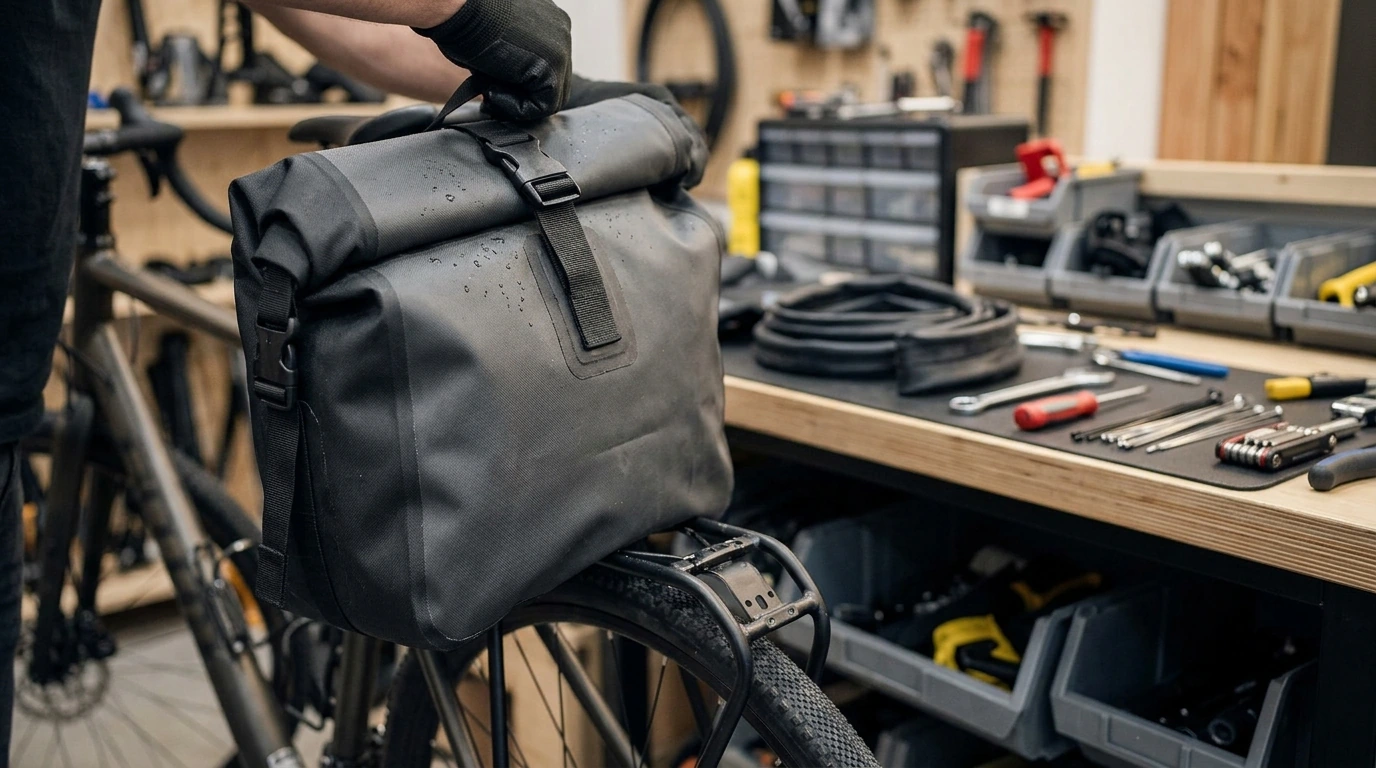
Yes, waterproof rear rack bags are available
You can choose a bike rear rack bag designed to keep your belongings dry in wet weather. When comparing options, look for a bag described as waterproof rather than merely water-resistant. Waterproof construction commonly uses features such as sealed or welded seams and a roll-top closure to limit water entry. A rain cover can add protection, but it is not always the same as a fully waterproof bag.
Think about what you plan to carry and the conditions you ride in. A smaller bag may suit everyday essentials, while a larger one can hold extra clothing or commute supplies. For longer rides in heavy rain, prioritize a secure closure and materials intended to withstand sustained exposure to water.
Check fit and mounting before you ride
Rear rack bags attach in different ways, including straps, hooks, or a dedicated mounting system. Confirm that the attachment method works with your rack, and make sure the bag can be fastened firmly without shifting. Check that it does not rub against the rear tire, spokes, or brake components, and that your heels have room to move while pedaling.
Pack heavier items low and keep the load balanced. Follow the rack and bag weight limits, since carrying too much can affect handling or strain the mounting points. After loading the bag, secure loose straps so they cannot catch in the wheel.
Keep contents protected on wet rides
Even with a waterproof bag, organize items so they are easy to reach and protected from impact. Small dry bags or sealed pouches can provide an extra layer for electronics, documents, or spare clothing. Close the bag according to its design before setting off, and make sure any closure is fully rolled, latched, or zipped.
After a rainy ride, wipe the exterior and let the bag dry before storing it. This helps keep the material and mounting parts in good condition. For more guidance, visit our waterproof bike rear rack bag guide.
FAQ
How do I keep a rear rack bag secure?
Attach every strap or mounting point as directed, then tug the bag gently to make sure it does not shift. Keep loose straps away from the wheel, and recheck the attachment after loading your gear.













Leave a comment