Pick a Lightweight Waterproof Cycling Jacket That Fits
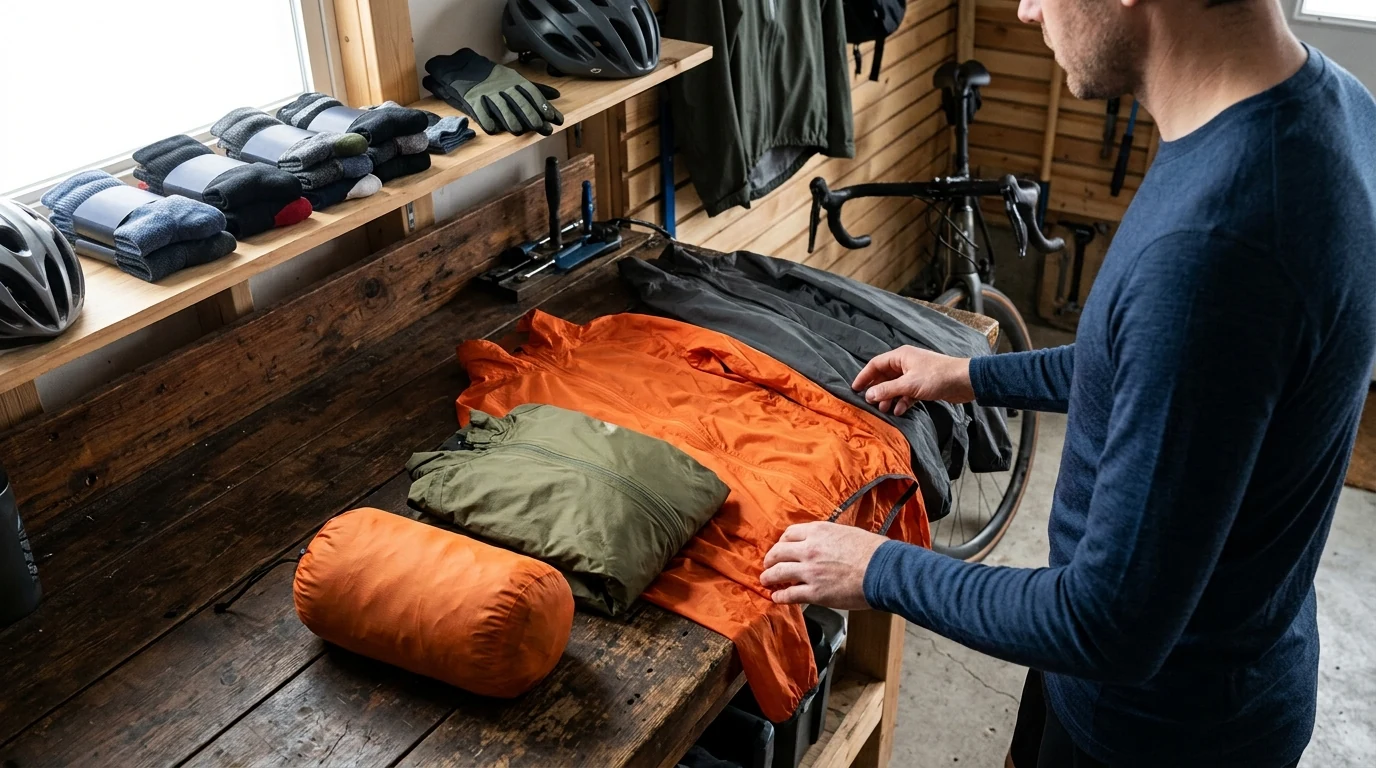
What is the best lightweight waterproof cycling jacket?
The best lightweight waterproof cycling jacket is one that keeps rain out without trapping too much heat: look for a cycling-specific fit, fully taped seams, a breathable waterproof membrane, and a design that packs small. For many riders, a jacket weighing roughly 5 to 9 ounces is a useful balance of protection and portability. The right choice depends on your climate, ride length, and how hard you tend to work on the bike.
Features worth prioritizing
Check that the jacket is genuinely waterproof, not merely water-resistant. A hydrostatic-head rating around 10,000 mm or higher is a reasonable starting point for wet rides, though construction matters too. Taped seams, a storm flap over the zipper, and snug cuffs help keep water from sneaking in. A two-way or water-resistant front zipper can also make ventilation easier.
Breathability is especially important when you are climbing or riding at a brisk pace. Underarm zippers, a rear vent, or a two-way zipper can release excess heat. A helmet-compatible hood may be useful for commuting, but a close-fitting collar and adjustable hem often matter more for road riding, where loose fabric can flap in the wind.
Choose a cut that works on the bike
Try the jacket in a forward-leaning riding position. Sleeves should cover your wrists when your hands are on the bars, and the back should stay long enough to protect your lower back. A dropped tail, reflective details, and pockets you can reach while riding are practical extras. Avoid a fit so tight that it restricts your shoulders or makes layering uncomfortable.
Match the jacket to your rides
For changeable weather and emergency carry, prioritize low weight and a small packed size. For frequent, prolonged rain, favor durable fabric, reliable closures, and better ventilation, even if the jacket weighs a little more. No shell stays comfortable in every condition, so a lightweight base layer and sensible pacing can help manage sweat.
When planning what to carry on day rides, pair your shell with a compact storage setup. See the guide to choosing a 16L ultralight waterproof cycling backpack for ideas on carrying rain gear and other essentials.
FAQ
How should a cycling rain jacket fit?
It should allow comfortable movement in a forward riding position, with sleeves that cover your wrists and a back long enough to protect your lower back. Leave enough room for a light layer without allowing excess fabric to flap.














Leave a comment