Longest-Flying Camera Drone: Is 51 Minutes Realistic?
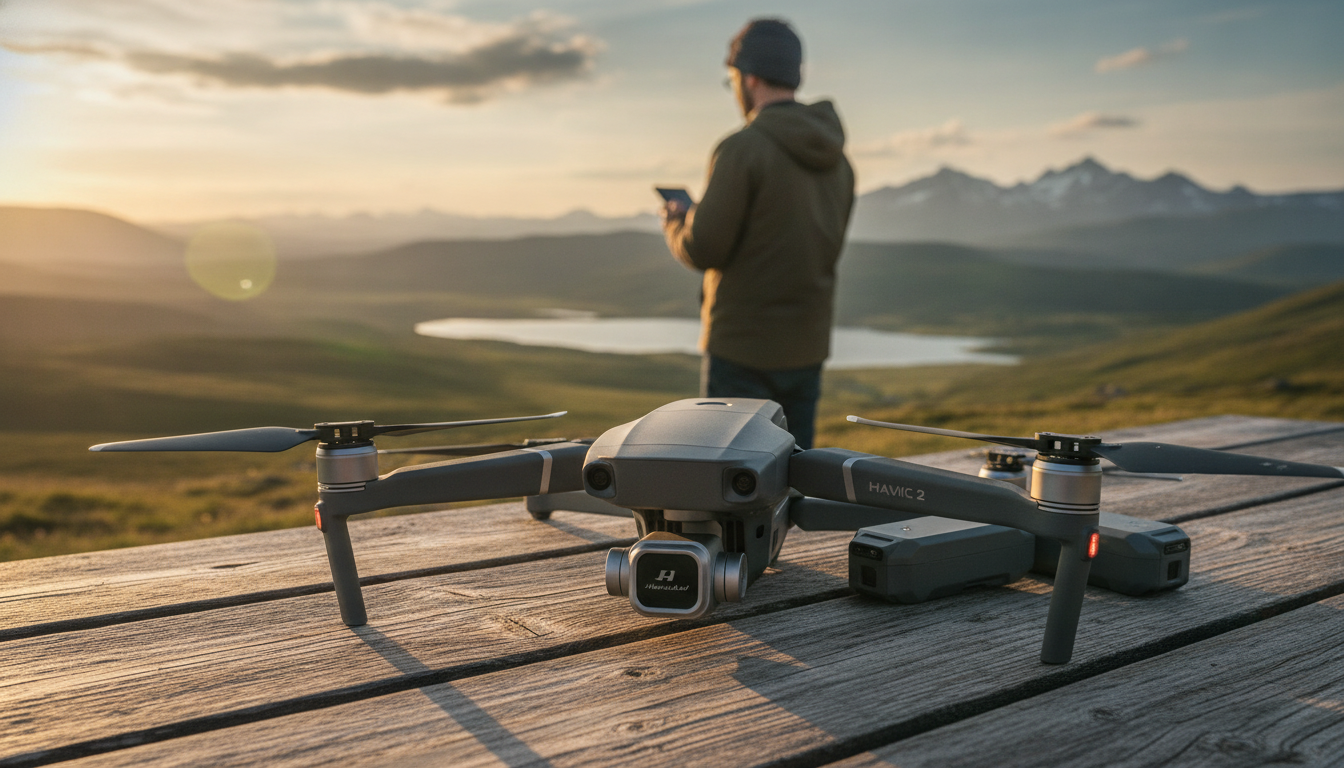
Which camera drone has the longest flight time?
Among mainstream consumer camera drones, the DJI Mavic 4 Pro is one of the longest-flying options, with a manufacturer-rated maximum flight time of up to 51 minutes. That figure makes it a strong choice for aerial photographers and videographers who want more time to frame shots before landing to change batteries.
What does “up to 51 minutes” mean?
The advertised time is a best-case maximum measured under controlled conditions. Wind, cold weather, fast flying, frequent climbs, and recording or other power demands can all reduce how long the drone stays airborne. Pilots also need to leave enough battery to return and land safely, so a full 51 minutes should not be treated as usable filming time.
What should you compare besides flight time?
Check the difference between a manufacturer’s maximum flight-time rating and the time you can realistically spend capturing footage. Battery cost and availability matter, too: carrying a spare can be more useful than choosing a drone with a few extra minutes per battery. Consider camera quality, stabilization, obstacle sensing, portability, and local flight rules alongside endurance.
If your work involves longer shoots, plan a route that keeps the drone within the required operating limits and gives you a safe landing option. A battery hub or extra batteries can help you get back in the air sooner, though they add weight and expense to your kit.
Is a longer-flight drone always the best choice?
Not necessarily. A compact drone may be easier to carry and quicker to launch, while a model with a larger sensor or more capable camera may better suit cinematic work. Choose based on the footage you need and the places you plan to fly, not just the maximum time printed on the spec sheet.
For more on camera features and cinematic color, read the guide to 4K HDR and Hasselblad drone footage.
FAQ
How can I get longer flights from a camera drone?
Start with fully charged, healthy batteries and avoid flying in strong wind or very cold conditions. Smooth control inputs and carrying only necessary accessories can also help conserve battery.














Leave a comment